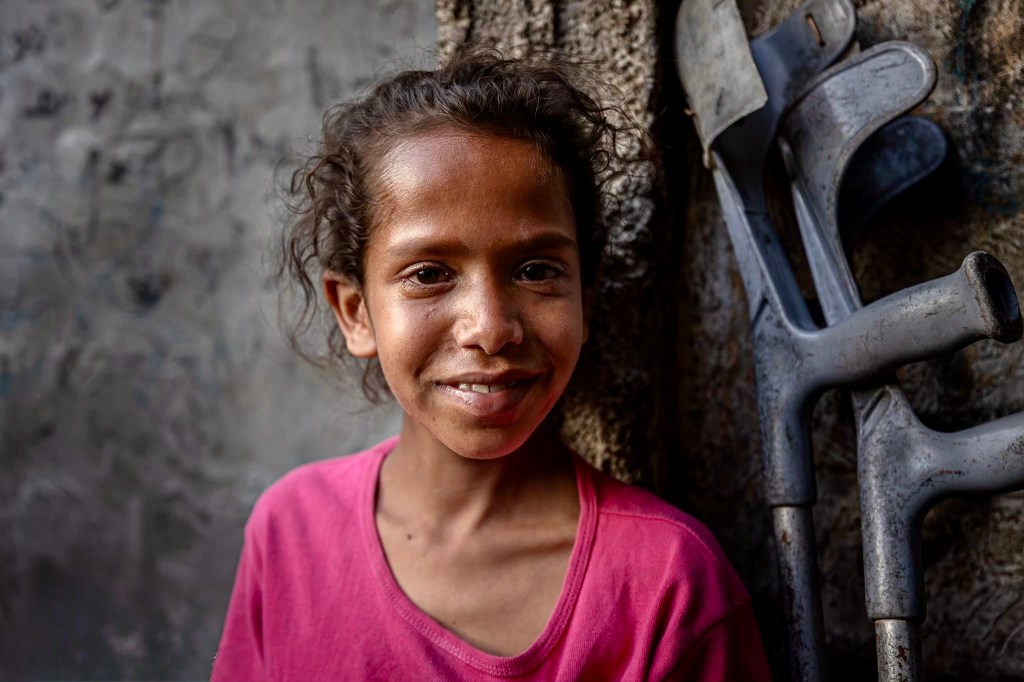
I’ve worked in emergency medicine for years. I’ve seen bodies broken, lives shattered, and families torn apart. But nothing—nothing—prepared me for the day I met Manal.
It was a day like too many others in Gaza: filled with smoke, sirens, and the sound of grief echoing through the corridors of Nasser Hospital. Another airstrike. Another neighborhood reduced to rubble. Another flood of wounded children.
Manal was just 12 years old when they wheeled her into the ER. Her face was covered in dust and blood, her eyes wide open but empty. Her leg—what was left of it—was wrapped in a makeshift bandage, soaked through. The blast hadn’t hit her house directly. It struck a home nearby, but the shrapnel didn’t care. It found her anyway.
We rushed her into surgery. The damage was too severe. They had to amputate.
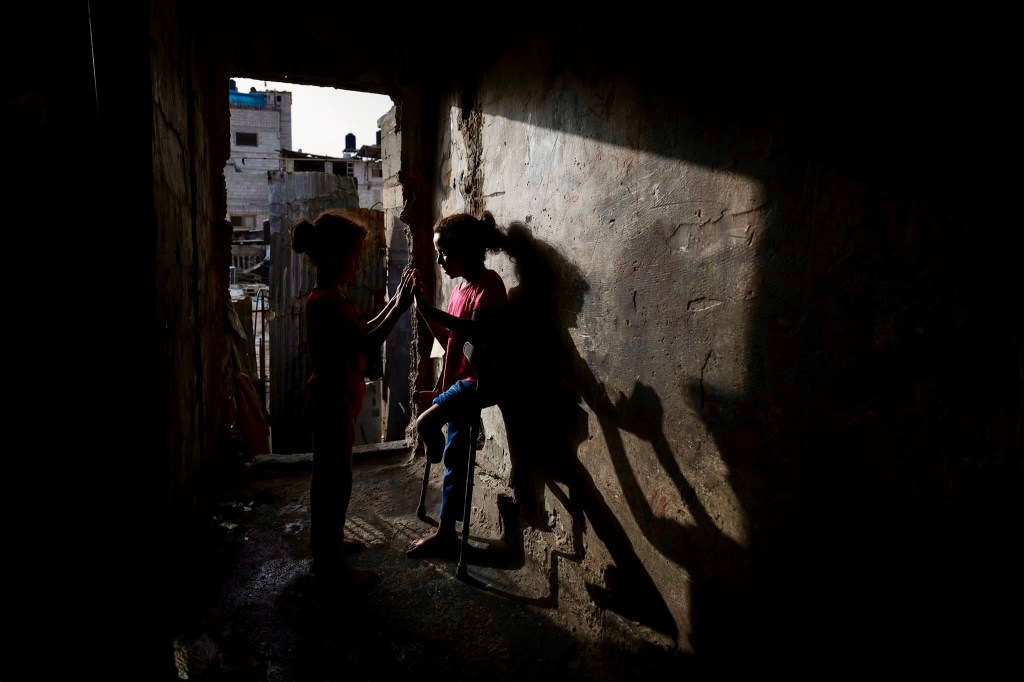
I remember standing over her in the emergency room, my hands moving on instinct, but my heart breaking. She was so small. So still. A child who should’ve been playing in the streets, not lying on a bed in a war zone.
When she woke up, she didn’t cry. She didn’t scream. She just stared at the ceiling, as if trying to disappear into it.
Over the next few days, I visited her often. Her mother told me about the girl she used to be—joyful, energetic, always dancing. Now, she barely spoke. She flinched at every sound. She refused to eat. She was slipping into a silence deeper than any wound I could treat.
One morning, I brought her a small notebook and some colored pencils. “Draw something for me,” I said, trying to reach her.
She looked at me, her voice barely audible: “I can’t.”
I thought maybe she was tired. “Why not?” I asked gently.
And then she broke.
Her small body shook with sobs. Her mother rushed to her side, holding her tightly. I stood there, helpless, watching a child collapse under the weight of something no child should ever carry.
That night, I couldn’t sleep. Her words haunted me: I can’t. Not I don’t want to. Not I don’t know how. Just I can’t. As if the very idea of dreaming had been taken from her.
I made calls. I reached out to colleagues, to humanitarian organizations. She needed more than medical care—she needed a prosthetic limb, psychological support, a chance to reclaim even a fragment of her childhood.
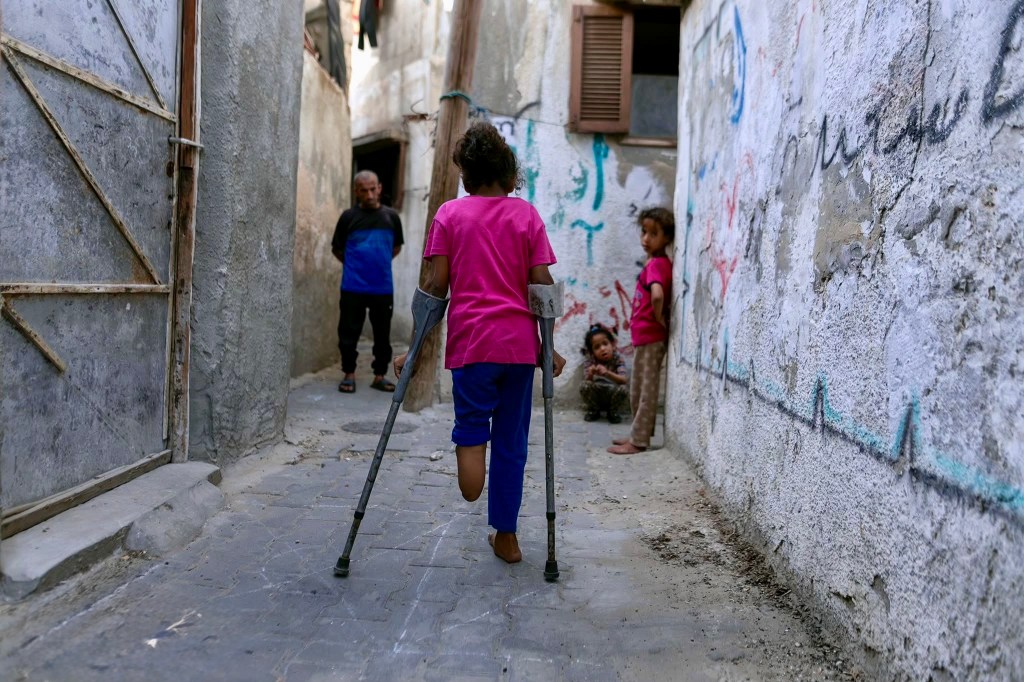
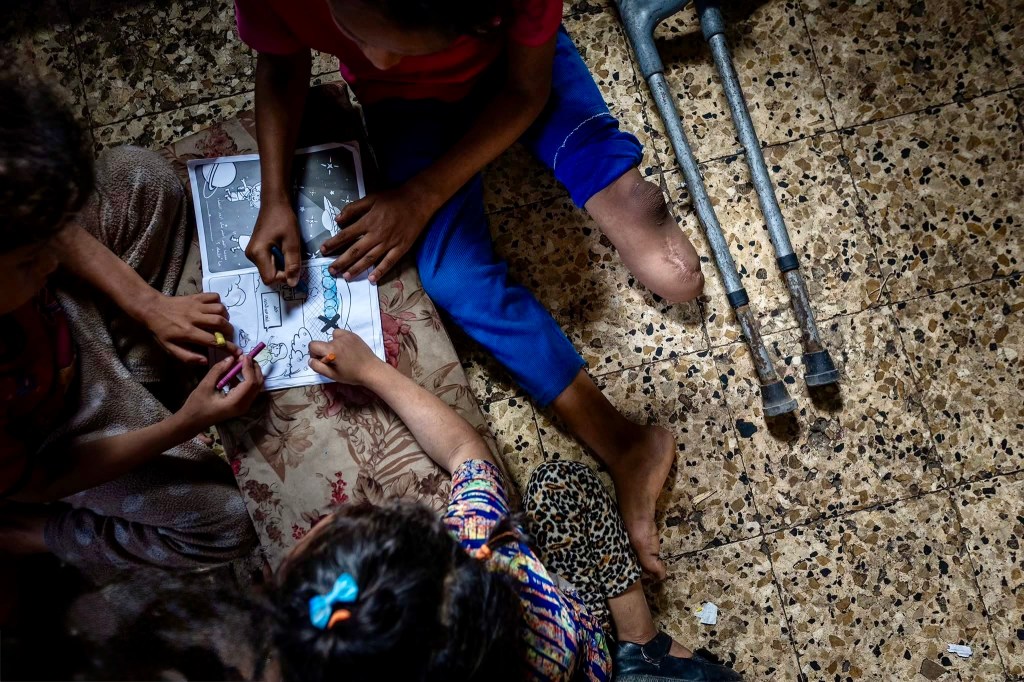
Eventually, an NGO agreed to donate her crutches and put her on the list for prosthetics. She would be fitted in a future with a prosthetic leg and receive therapy. When I told her, she didn’t smile. But she looked at me—really looked at me—for the first time. And in her eyes, I saw a flicker. Not joy. Not yet. But maybe… the beginning of hope.
And just a few weeks ago, I received a message from her mother. Manal has started drawing again.
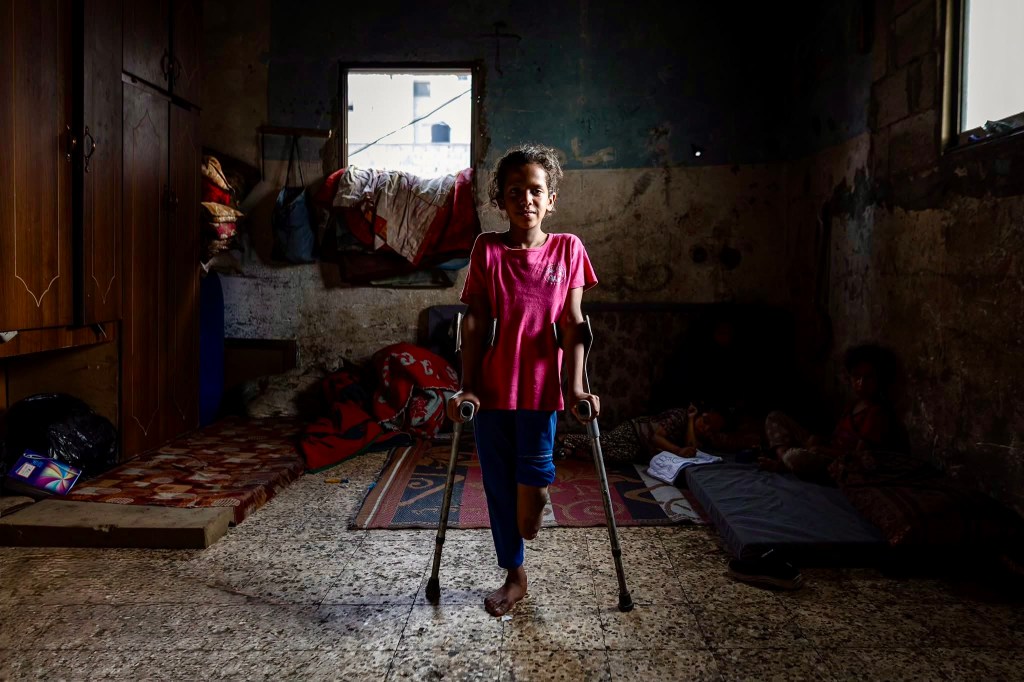
She still doesn’t speak much. She still wakes up crying some nights. But she draws. And in every line, every color, there’s a whisper of the girl she used to be.
But this story doesn’t have a happy ending. Not yet.
The war in Gaza rages on. The bombs still fall. The children still cry. Manal’s story is not unique—it is one of thousands.
According to recent reports, over 23,000 children and youth have been physically or mentally harmed by the war. Tens of thousands have been killed or injured, and nearly half a million children are facing catastrophic levels of food insecurity. Schools have been destroyed. Hospitals are overwhelmed. Families are displaced again and again. Childhood itself is under siege.
Healing isn’t just about saving lives. It’s about restoring the belief that life is still worth living. And in Gaza, that belief is fading—one child at a time.
By a doctor who will never forget her eyes. Eliezer Rodriguez 2025.
 Frontline Pulse